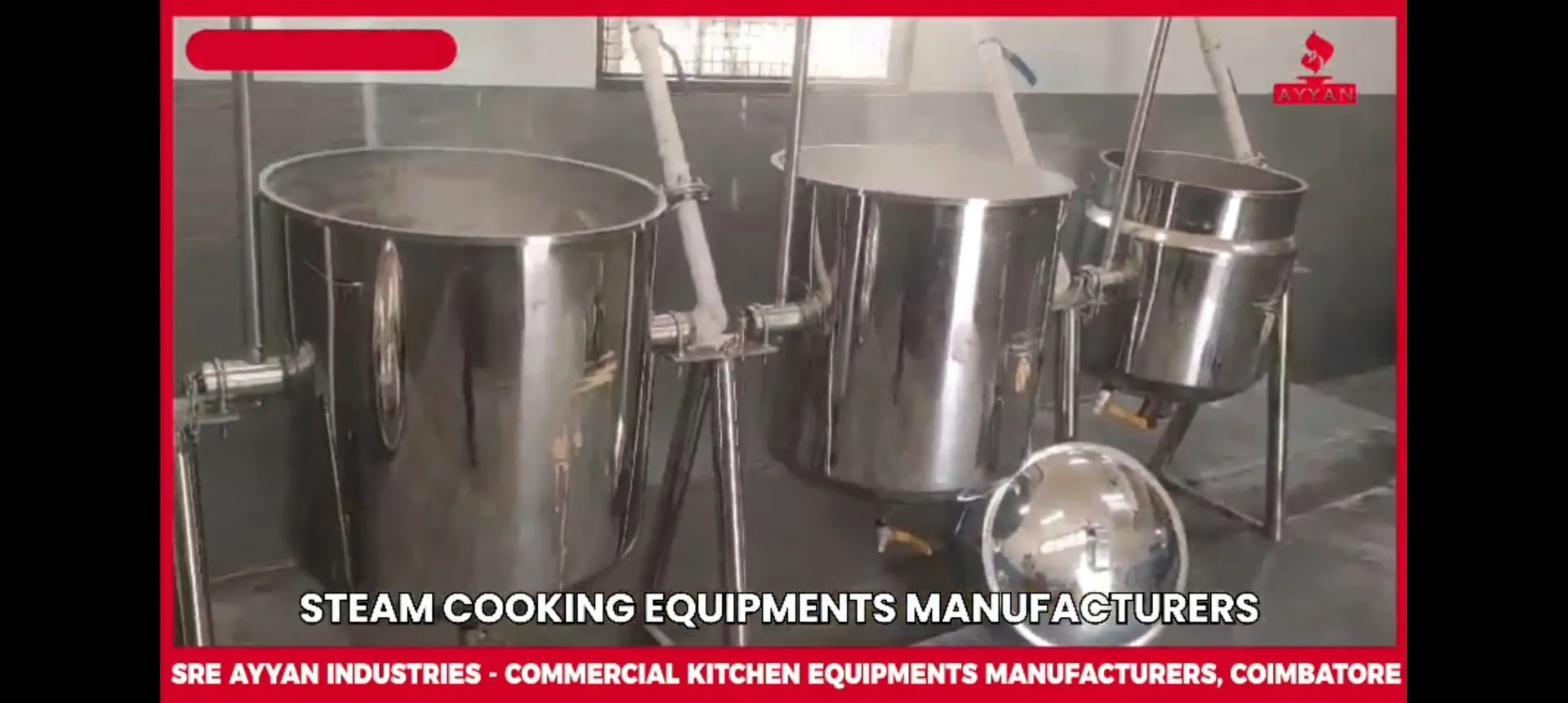
Coimbatore Top Rated Steam Cooking Boiler
Description
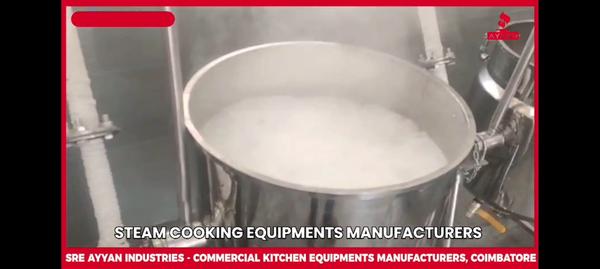
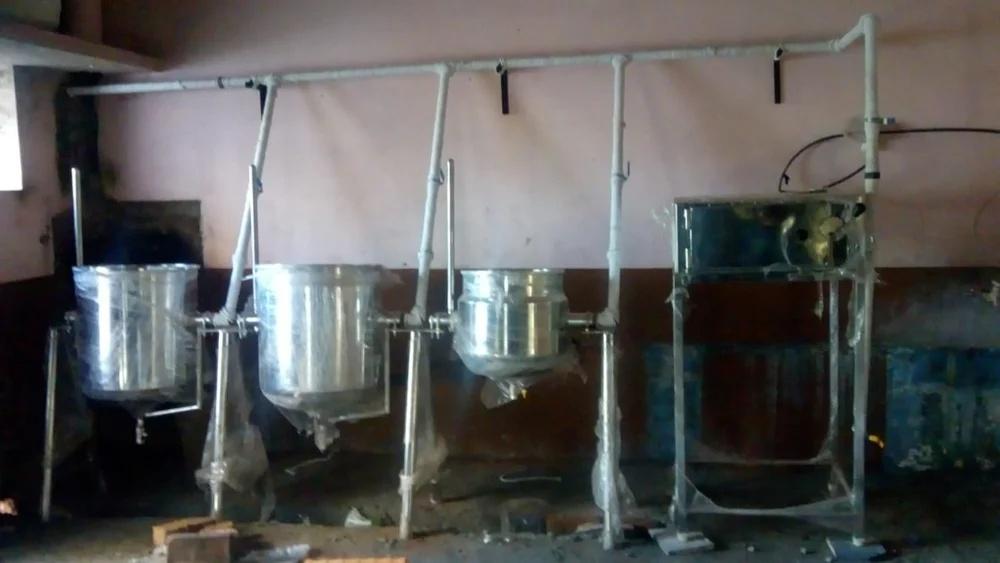
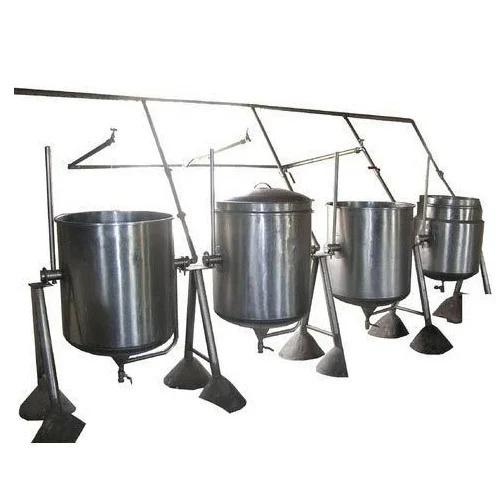
SRE AYYAN INDUSTRIES, To cater to the ever-evolving demands of our customers' consideration, we are extremely engaged in offering Steam Cooking Boiler in Coimbatore, Tamilnadu, South India. This Steam Boiler is manufactured utilizing superior quality material and modern techniques in adherence to the set standards of industry
Steam Cooking Unit Manufacturers in Coimbatore Address
Top Steam Cooking Boiler Manufacturers in Coimbatore
Steam Cooking Boiler Near Me Coimbatore
Steam Cooking Boiler Manufacturers in Coimbatore Contact Number
Steam Cooking Boiler Manufacturers in Coimbatore Address
Steam Boiler Manufacturers in Coimbatore
Industrial Boiler Manufacturers in Coimbatore
Team Cooking Boiler near by Coimbatore
Kitchen Steam Boiler Price Coimbatore
Small Steam Cooking Boiler Manufacturers in Coimbatore
Steam Boiler for Commercial Kitchen Equipment Coimbatore
Steam Cooking Boiler – Applications and Benefits
What is a Steam Cooking Boiler?
A Steam Cooking Boiler is a specialized boiler designed to generate steam for cooking, heating, and food processing applications. It uses fuel such as LPG, diesel, biomass, electricity, or firewood to produce steam, which is then supplied to steam-jacketed kettles, cooking vessels, idli plants, rice cookers, and other food processing equipment.
Steam cooking is widely preferred in commercial kitchens and food processing industries because it ensures uniform heat distribution, faster cooking, and better retention of nutrients compared to direct-fire cooking methods.
Applications of Steam Cooking Boiler
Food Processing Industry
Cooking rice, pulses, and cereals
Preparation of ready-to-eat foods
Processing of snacks and confectionery products
Dairy product manufacturing
Commercial Kitchens
Hotels and restaurants
Industrial canteens
Marriage halls and catering services
Community kitchens
Educational Institutions
School and college hostels
University cafeterias
Residential training centers
Healthcare Sector
Hospital kitchens
Nutritional food preparation units
Religious and Social Organizations
Temple kitchens
Community feeding centers
Charitable food distribution programs
Food Manufacturing Units
Sauce and gravy preparation
Jam and jelly production
Meat and seafood processing
Vegetable cooking and blanching
Benefits of Steam Cooking Boiler
Faster Cooking
Steam transfers heat efficiently, significantly reducing cooking time compared to conventional cooking methods.
Uniform Heating
Steam surrounds the cooking vessel evenly, preventing hotspots and ensuring consistent cooking results.
Better Food Quality
Food retains its natural flavor, color, texture, and nutritional value.
Energy Efficient
Steam boilers utilize fuel efficiently, helping reduce overall energy consumption and operating costs.
Hygienic Cooking Process
Steam cooking minimizes direct contact with flames and smoke, ensuring cleaner and safer food preparation.
Large Volume Production
Ideal for bulk cooking applications in hotels, canteens, and food processing industries.
Reduced Food Burning
Indirect steam heating prevents food from sticking or burning at the bottom of vessels.
Easy Operation
Modern steam boilers come with automatic controls for pressure, temperature, and water levels.
Low Maintenance
Robust construction and simple operating mechanisms result in longer service life and reduced maintenance costs.
Environment Friendly
Efficient fuel utilization leads to lower emissions and a cleaner cooking environment.
Key Features of Steam Cooking Boilers
High steam generation efficiency
Automatic water level control
Safety valves and pressure gauges
Stainless steel construction options
Low fuel consumption
Compact and user-friendly design
Available in various capacities to suit different cooking requirements
Conclusion
A Steam Cooking Boiler is an indispensable solution for commercial kitchens, catering services, food processing plants, hospitals, and community kitchens. By providing rapid, uniform, and hygienic cooking, it enhances productivity, reduces fuel costs, and helps maintain high food quality standards, making it a preferred choice for large-scale cooking operations.